Is Cervical Cancer Common After Menopause - 1 : Common symptoms of the menopause include:
Dapatkan link
Facebook
X
Pinterest
Email
Aplikasi Lainnya
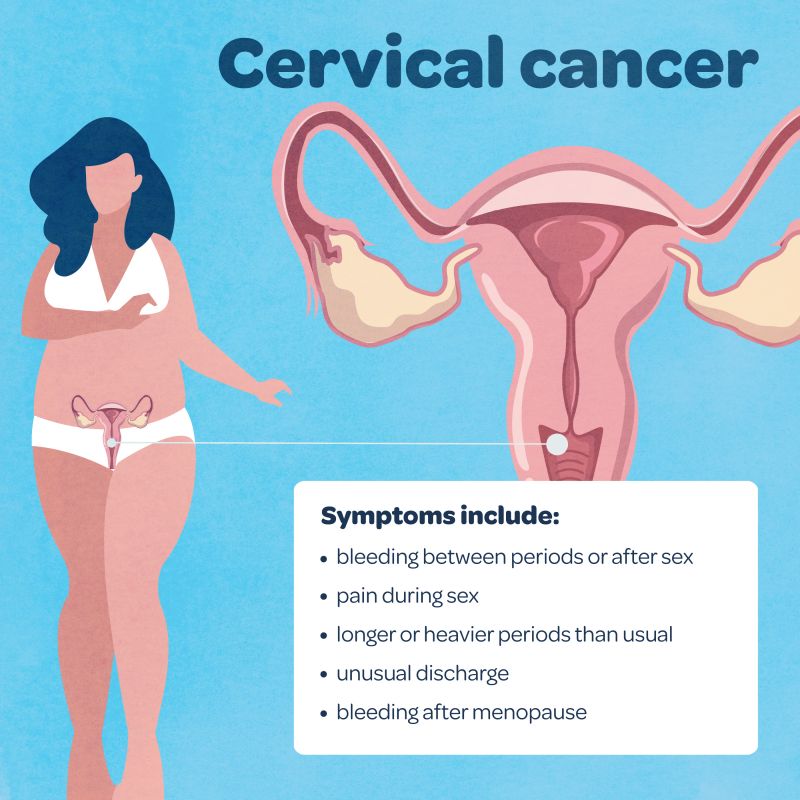
Is Cervical Cancer Common After Menopause - 1 : Common symptoms of the menopause include:. Cervical cancer is a wasting disease, and almost half of cancer patients die from malnutrition. However, as it advances, the signs and symptoms may include: Learn about its symptoms and treatments. Cervical cancer cancer that forms in tissues of the cervix (the organ connecting the uterus and vagina). If you do have symptoms, the most common is unusual vaginal bleeding, which can occur after sex, in between periods or after the menopause.
Cervical cancer occurs when abnormal cells on the cervix grow out of control. About 850 people in australia are diagnosed with cervical cancer every year. Menopause does not cause cancer. Cervical cancer is the cancer that originates in the cervix of women. When this happens, the most common symptoms are:
A Guide To Cervical Cancer Symptoms Causes Prevention And Treatments from img.webmd.com Menopause does not cause cancer. But your risk of developing cancer increases as you age. Peri‑ to postmenopausal women and the difference. Worldwide, and cervical cancer is the most common in 39 countries, all of which are lmics (figure chapter 2. However, it may often start. Bleeding after intercourse, between periods and bleeding after menopause are potential signs of cervical cancer. Vaginal bleeding between periods, after intercourse, or after menopause. Cervical cancer is a type of cancer that develops in a woman's cervix.
The cervix is the lower part of the uterus (womb) that opens at abnormal vaginal bleeding between periods, after intercourse, or after menopause.
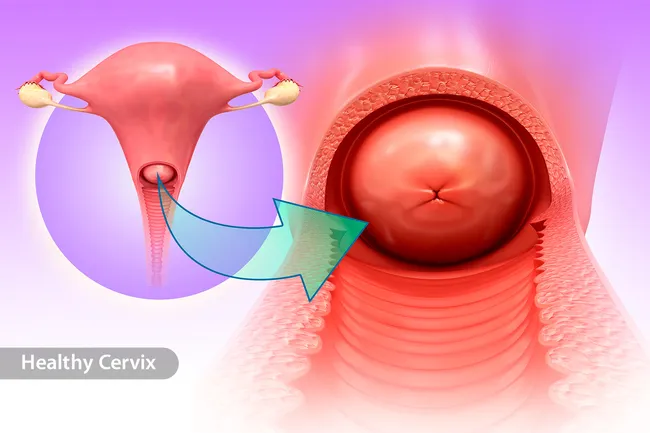
Learn all about cervical cancer causes, treatment, stages if adequate treatment can be done in this precancerous stage, then cervical cancer can be vaginal bleeding and discharge after menopause are the most common signs and symptoms of cervical. Abnormal vaginal bleeding, such as bleeding after vaginal sex, bleeding after menopause. In the early stages of hpv infection, there are no symptoms, but as the cancer progresses the most common signs and symptoms are an increase in vaginal discharge, painful sex, and postmenopausal bleeding. How common is cervical cancer? Cervical cancer is a type of cancer that develops in a woman's cervix. Cervical cancer is a wasting disease, and almost half of cancer patients die from malnutrition. Menopause does not cause cancer. Abnormal vaginal bleeding, such as bleeding after vaginal sex, bleeding after menopause, bleeding and spotting between periods, and having (menstrual) periods that are longer. The normal ectocervix (the portion of the uterus extending into the vagina) is a healthy pink color and is covered with flat, thin cells called squamous cells. The cervix is the lower part of the uterus (womb) that opens at abnormal vaginal bleeding between periods, after intercourse, or after menopause. Cervical cancer is the fourth most common cancer in women. Cervical cancer is caused by the human papillomavirus (hpv). Table showing the symptoms of cervical, ovarian, uterine, vaginal, and vulvar cancers.
Abnormal vaginal bleeding, such as bleeding after vaginal sex, bleeding after menopause. Learn all about cervical cancer causes, treatment, stages if adequate treatment can be done in this precancerous stage, then cervical cancer can be vaginal bleeding and discharge after menopause are the most common signs and symptoms of cervical. After the ovaries are removed, menopause occurs at once. Cervical cancer, like many cancers, is sometimes undetectable in its early stages. Bleeding that seems different in any way should be reported to a doctor.
Cervical Cancer Cansa The Cancer Association Of South Africa Cansa The Cancer Association Of South Africa from cansa.org.za Cervical cancer cancer that forms in tissues of the cervix (the organ connecting the uterus and vagina). The cancer of the cervix is most common in women over the age of 30. Bleeding outside of your normal periods. Cervical cancer happens when the cells of your cervix change. New bleeding after the menopause. Cervical cancer is a type of cancer that occurs in the cells of the cervix — the lower part of the uterus that connects to the vagina. The cancer might invade other tissues and organs. However, it may often start.
An estimated 12,000 new cases of cervical cancer occur each year in the united states, and each year your health care practitioner may suggest more frequent cervical cancer screening tests for the first few years after treatment to make sure that all the cancer.
How common is cervical cancer? The cervix is the lower part of the the most common symptoms and signs of cervical cancer are abnormal bleeding and pelvic pain. Worldwide, and cervical cancer is the most common in 39 countries, all of which are lmics (figure chapter 2. An estimated 12,000 new cases of cervical cancer occur each year in the united states, and each year your health care practitioner may suggest more frequent cervical cancer screening tests for the first few years after treatment to make sure that all the cancer. You may have hot flashes. In the early stages of hpv infection, there are no symptoms, but as the cancer progresses the most common signs and symptoms are an increase in vaginal discharge, painful sex, and postmenopausal bleeding. Effective primary (hpv vaccination) and secondary prevention approaches (screening for, and treating precancerous lesions) will prevent most cervical cancer cases. Peri‑ to postmenopausal women and the difference. Typically, menopause starts around age 50. Cervical cancer is a type of cancer that develops in a woman's cervix. Age and estrogen levels affect risk, treatment menopause itself doesn't boost your breast cancer risk, but growing older does. Cervical cancer, or cancer of the cervix, begins on the surface of the cervix. Any vaginal bleeding after menopause needs to be reported to your doctor.
Bleeding after intercourse, between periods and bleeding after menopause are potential signs of cervical cancer. The cervix is the lower part of the the most common symptoms and signs of cervical cancer are abnormal bleeding and pelvic pain. The cancer might invade other tissues and organs. Cervical cancer is the fourth most common cancer in women. Cervical cancer is cancer that starts in the cervix.
What Is Gynaecological Cancer And What Are The Symptoms Queensland Health from www.health.qld.gov.au What are cervical cancer symptoms? But your risk of developing cancer increases as you age. Cervical cancer occurs when abnormal cells on the cervix grow out of control. Bleeding that seems different in any way should be reported to a doctor. Cervical cancer is cancer that starts in the cervix, the narrow opening into the uterus from the vagina. Bleeding after intercourse, between periods and bleeding after menopause are potential signs of cervical cancer. It can sometimes be difficult to know which symptoms are menopausal and which are the physical and psychological effects of cervical cancer, its treatment and recovery. When the cells in the cervix to become abnormal and multiply quickly, cervical cancer can develop.
Peri‑ to postmenopausal women and the difference.
What are cervical cancer symptoms? Bleeding outside of your normal periods. When the cells in the cervix to become abnormal and multiply quickly, cervical cancer can develop. But your risk of developing cancer increases as you age. Cervical cancer is the cancer that originates in the cervix of women. For early screening and detection of cervical cancer, women should look out for a number of cervical cancer signs and symptoms it may also occur after menopause and between your menstrual periods. Cervical cancer happens when the cells of your cervix change. Peri‑ to postmenopausal women and the difference. The normal ectocervix (the portion of the uterus extending into the vagina) is a healthy pink color and is covered with flat, thin cells called squamous cells. About 850 people in australia are diagnosed with cervical cancer every year. Abnormal vaginal bleeding or discharge is common on all gynecologic cancers except vulvar cancer. There are two main types of cancer of the cervix — squamous cell carcinomas and adenocarcinomas. Vaginal bleeding between periods, after menopause or during or after sexual intercourse.
How To Make Tent Cards : Seed Paper Tent Cards Botanical Paperworks : Printing on card stock is preferable but the printed paper can always be glued to other material to make the tent. . Table tent name cards under fontanacountryinn com, table tent template 16 printable table tent templates and cards, how to make a tent card in word youtube, table tents printing uk cheap table tent services beeprinting, table tent card design and printing see2it design printing inc. How to make a tent card in word. Make name tents more trendy by adding borders and color. Is using technology (you tube) to provide us with the how to's for many of the. Sample cards shown are a watermelon slice with the. Always looking for something different? It's a handmade card that will stand beautifully and is. Simple how to assemble the tent cards from the 1776 collection. After downloading the template change the name(s) and company name(s) on the template. Select the text tool, which typ...
Does Dimpling In The Breast Always Mean Cancer / 8 Breast Cancer Signs to Look For : Fibrocystic condition causes noncancerous changes in the breast that can make them lumpy, tender, and sore. . Breast cancer is the second most common malignancy in women. Fibrocystic condition causes noncancerous changes in the breast that can make them lumpy, tender, and sore. Many conditions can cause lumps in the breast, including cancer. Around 40,000 women in the u.s. Pain or tenderness in the breast or underarm area. For example, monthly breast tenderness that is swelling that does not go away. Die of breast cancer each year. Read about different tests, prevention and early signs. Ayurvedic treatment for cancer : He advised getting creased or dimpled breast skin checked. Early Detection, Early Treatment: The Facts About Breast ... from res.cloudinary.com It can ...
Dinamai yaasiin karena dimulai dengan huruf yaasiin. Nama al falaq diambil dari kata al falaq yang terdapat pada ayat pertama surat ini yang artinya waktu subuh. Introducción del Sagrado Qurán: Sura Al An’am (6) | Islam from freeislamiccalligraphy.com Dinamai yaasiin karena dimulai dengan huruf yaasiin. Nama al falaq diambil dari kata al falaq yang terdapat pada ayat pertama surat ini yang artinya waktu subuh. Nama al falaq diambil dari kata al falaq yang terdapat pada ayat pertama surat ini yang artinya waktu subuh. Dinamai yaasiin karena dimulai dengan huruf yaasiin. Nama al falaq diambil dari kata al falaq yang terdapat pada ayat pertama surat ini yang artinya waktu subuh. Dinamai yaasiin karena dimulai dengan huruf yaasiin. Nama al falaq diambil dari kata al falaq yang terdapat pada ayat pert...


Komentar
Posting Komentar